
Product Category
Recommend
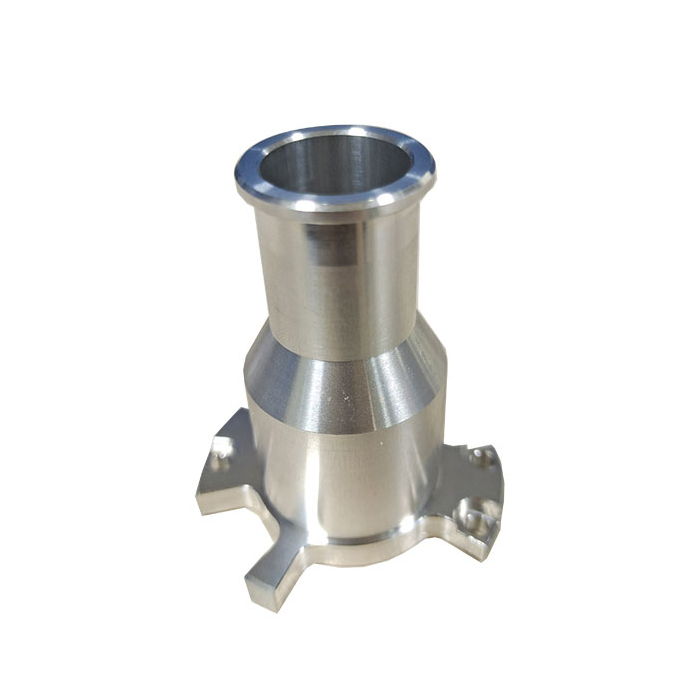
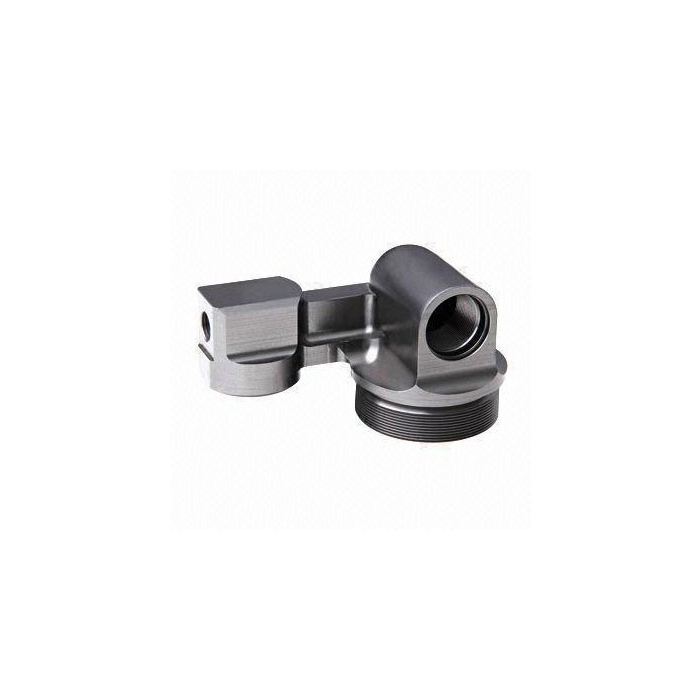
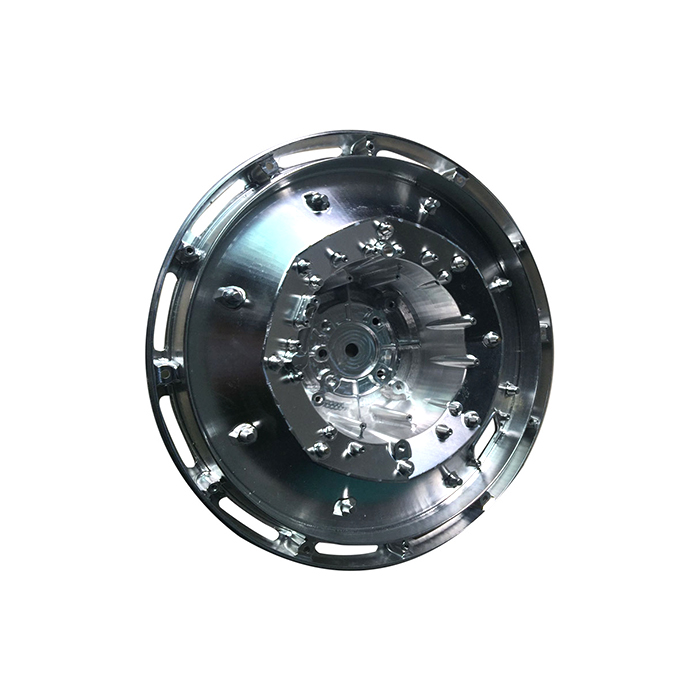
Information
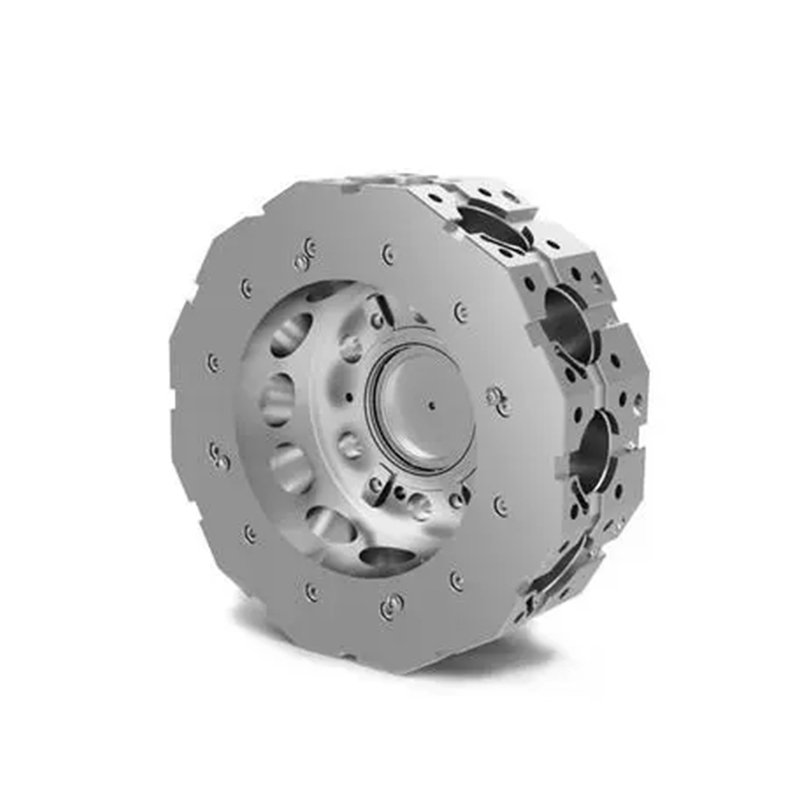
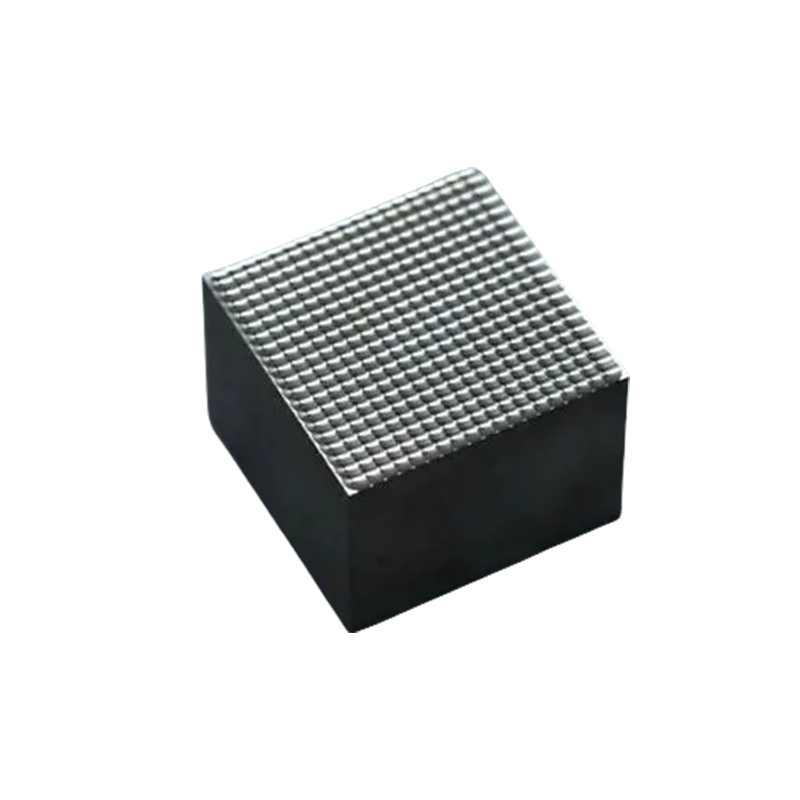
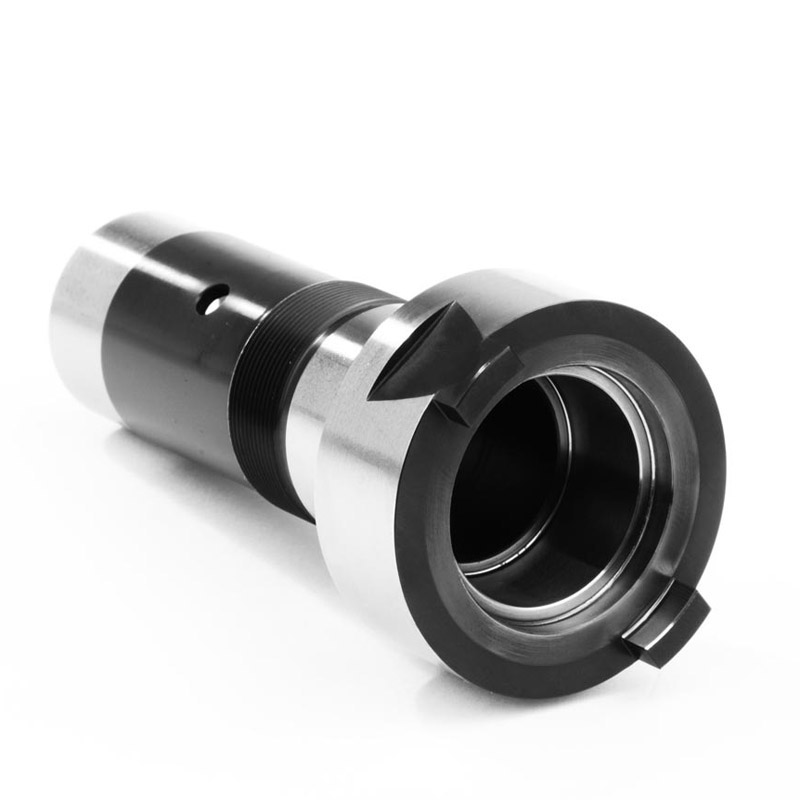
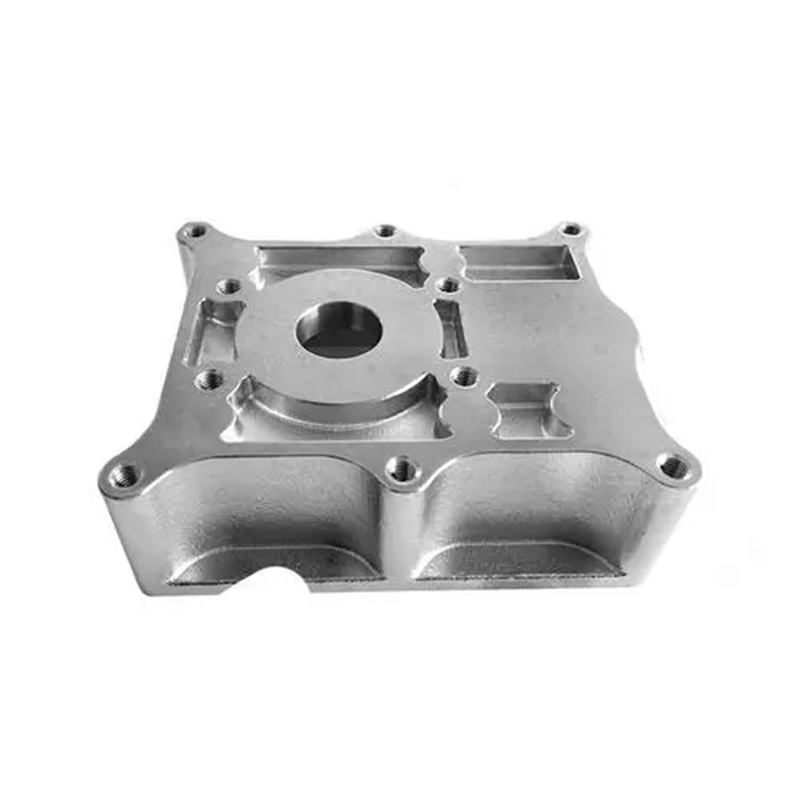
precision machining of parts
- Classification:Ultra-precision machining
- Prompt:
Ultra-precision machining is a machining process dedicated to the production of ultra-precise micro-parts and microfluidic chip moulds for applications in medicine, optics, semiconductors and precision engineering.
Product Description
The following are the basic steps in precision parts machining:
1. Roughing: The part is first roughed on the first pass of the bed using large machines to remove large allowances.
2. semi-finish machining: this stage is mainly considered to improve productivity, using fine grinding and turning techniques to expand the machined part, so that the part tends to the final shape.
3. Finishing: In the finishing stage, we will use large cutting speeds and small feeds, and usually combine a variety of machining techniques, such as precision cutting, fine mirror grinding, precision grinding and polishing, to achieve higher accuracy and surface quality.
4. Finishing: This stage is mainly aimed at eliminating the finishing texture produced during the previous machining stages, thus increasing the surface finish and accuracy of the part.
5. ultra-precision machining: ultra-precision machining refers to a certain period of development, machining accuracy and surface quality to reach a higher or highest degree of machining process, this stage is mainly to further improve the accuracy and surface quality of the parts, usually using direct evolutionary processing or indirect evolutionary processing.
The above is the basic steps of precision parts processing, different parts may require different processing steps and techniques, the specific processing methods and steps need to be based on the specific requirements of the parts and the ability of the processing equipment to determine.