
Product Category
Recommend
Information
micron precision machining
- Classification:Ultra-precision machining
- Prompt:
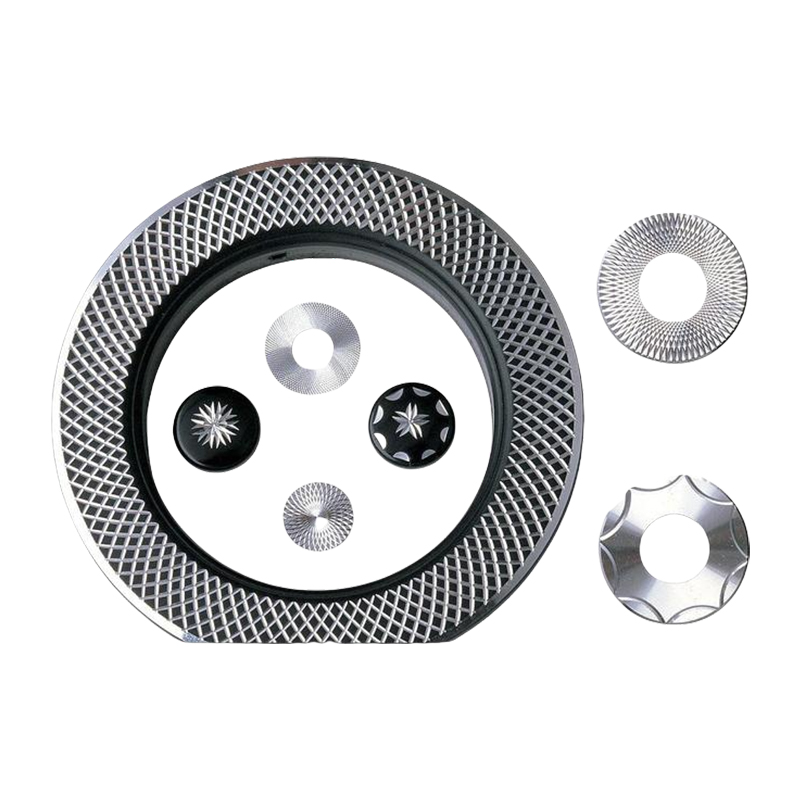
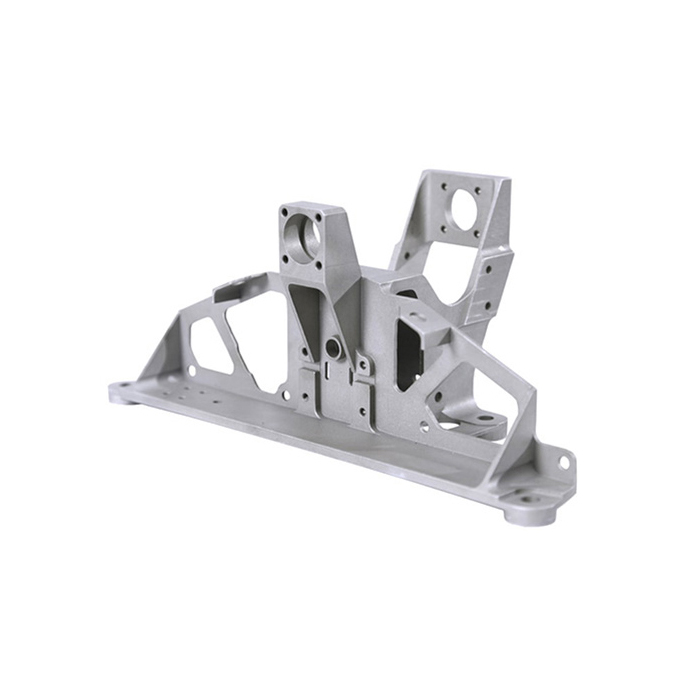
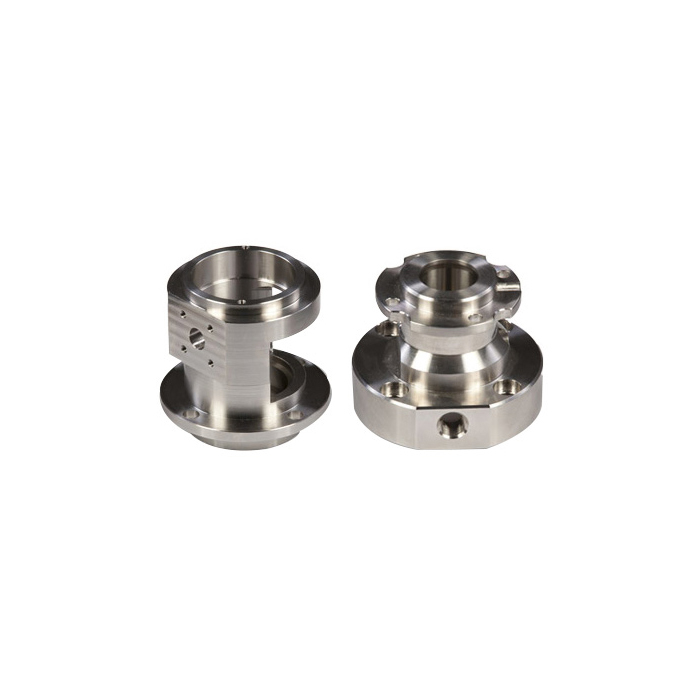
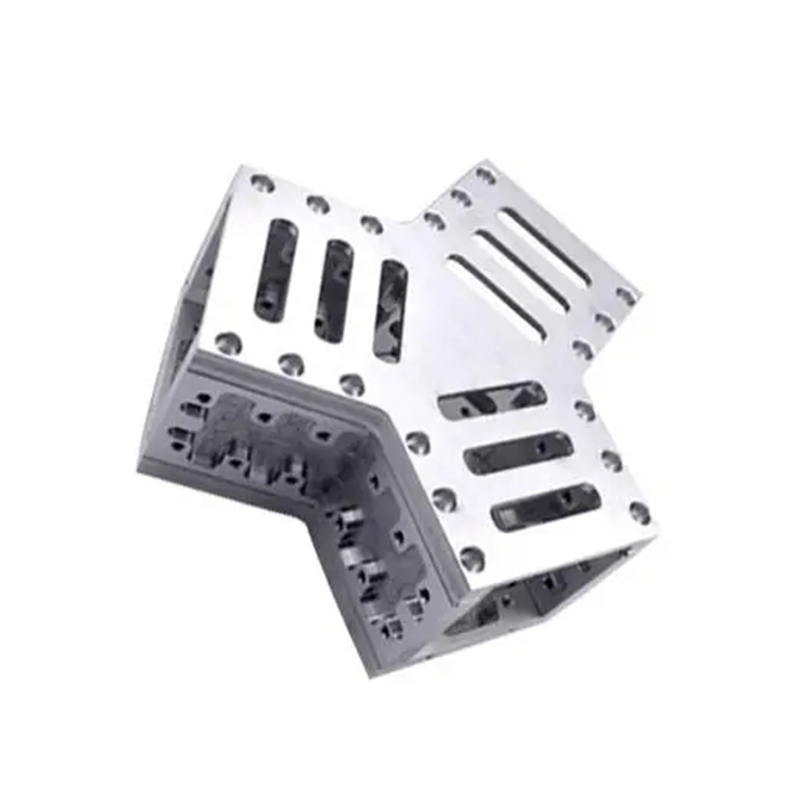
Ultra-precision machining is a machining process dedicated to the production of ultra-precise micro-parts and microfluidic chip moulds for applications in medicine, optics, semiconductors and precision engineering.
Product Description
Micron precision processing (micron precision processing) is a highly accurate machining technology that enables ultra-high precision machining, often measured in microns (um) or nanometres (nm). The main applications of this technology include:
1. medical device manufacturing: the manufacture of medical devices requires high precision and reliability, such as micron-level precision laser cutting technology is widely used in the manufacture of medical devices.
2. Aerospace industry: Micron-level precision machining is very important in the aerospace industry, where it can be used to manufacture high-precision equipment such as aircraft and rockets.
3. electronics manufacturing: micron-level precision processing is also very important in the manufacture of electronic products, such as micron-level precision laser cutting technology is widely used in the manufacture of electronic products.
4. automotive manufacturing: micron-level precision processing in automotive manufacturing is also very important, such as micron-level precision laser cutting technology is widely used in the manufacture of automotive parts.
The implementation of micron precision machining requires the use of high-precision equipment and tools, such as ultra-high-precision equipment KASITE-SKD series of micro-nano-machining centres, as well as full servo lifting liquid trough linear motor in the wire machine tools. These equipments and tools usually adopt advanced technologies, such as linear motors and scales to achieve full closed-loop control with power-off reset, high responsiveness, and high accuracy retention. In addition, micron precision machining requires strict quality control and testing to ensure product quality and accuracy.